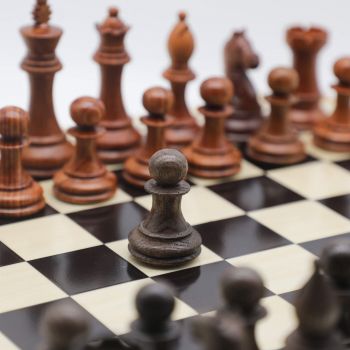
Chess – A Timeless Strategy Experience for Modern Players
Chess stands as one of the most enduring games in human history. From royal courts to online arenas, the 64‑square battlefield continues to attract new players and seasoned masters alike. This article explores what makes chess compelling, offers practical guidance for beginners, and answers common questions that arise when stepping onto the board.
Understanding the Core of Chess
The game is played on a square board divided into eight rows and eight columns. Each player begins with sixteen pieces of distinct types and values. The objective is to place the opponent’s king under attack from which escape is impossible. This condition, known as checkmate, ends the match.
Piece Roles and Movement
Every piece follows a specific pattern of movement. Pawns advance forward one square but capture diagonally. Rooks travel along rows or columns without limit. Knights move in an L shape, leaping over other pieces. Bishops travel diagonally across the board. The queen combines the powers of rook and bishop, moving any number of squares in any direction. The king moves one square in any direction and is the most important piece.
Basic Principles for New Players
- Control the centre of the board early in the game.
- Develop pieces so that they become active and support each other.
- Keep the king safe by castling when the opportunity arises.
- Watch for opponent threats and respond with accurate defense.
- Plan several moves ahead, considering how the opponent might react.
Practical Guidance for Improving Your Play
While the rules are simple, mastering chess requires study and practice. Below are several strategies that can help players of all levels enhance their performance.
Study Classic Games
Reviewing historic matches played by grandmasters provides insight into strategic concepts. Pay attention to how the masters control the centre, coordinate pieces, and transition from the opening phase to the middle game.
Practice Endgame Techniques
The final stage of a match often decides the outcome. Learning how to checkmate with a king and queen, or how to promote a pawn, can turn a losing position into a victory.
Use Online Resources Wisely
Many websites host chess puzzles that challenge players to find the best move in a given position. Solving these puzzles sharpens tactical vision and improves pattern recognition.
Play Regularly Against Varied Opponents
Facing opponents with different styles forces adaptation and growth. Online platforms allow you to match with players from around the world, providing a diverse range of challenges.
Review Your Games
After each match, examine the moves that led to success or failure. Identify moments where a different decision could have changed the result. This reflective practice builds deeper understanding.
Why Chess Remains Relevant in the Digital Age
Even as video games evolve, chess retains a unique appeal. Its depth is limitless, yet the entry barrier is low. The game fosters critical thinking, patience, and foresight—skills valuable beyond the board. Moreover, the rise of online chess rooms has created vibrant communities where players can discuss strategies, share analysis, and celebrate achievements.
Frequently Asked Questions
How long does a typical chess game last?
The duration varies widely. Casual games may end in a few minutes, while tournament matches can extend for several hours. Time controls set by the platform or event determine the pace.
Is it necessary to learn opening theory to enjoy chess?
No. Understanding basic opening ideas such as piece development and king safety is sufficient for casual play. Advanced opening theory becomes important for competitive players who seek an edge in the early stage.
Can I improve without a coach?
Yes. Many players advance through self‑study, puzzle solving, and regular practice. However, occasional guidance from experienced players or instructional videos can accelerate progress.
What is the best way to practice tactics?
Engage with puzzles that focus on common motifs such as forks, pins, and discovered attacks. Repeating these exercises builds instinctive recognition of tactical opportunities.
Are there different formats of chess besides the standard board?
Yes. Variants such as rapid, blitz, and correspondence chess modify the time allotted for each move. These formats offer fresh challenges while preserving the core rules.