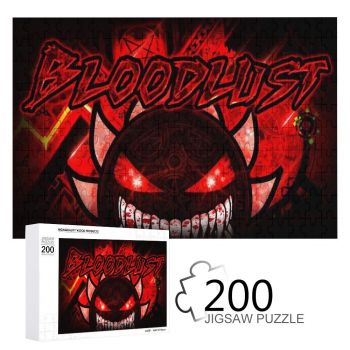
Geometry Dash Bloodlust Overview
Geometry Dash Bloodlust is a rhythm based platformer that builds on the fast paced challenge that fans of the series have come to love. The title invites players to test their reflexes and timing as they navigate a series of obstacles that move in sync with an energetic soundtrack. While the exact level design is unique to this version, the core experience remains true to the familiar jump and dash mechanics that define the Geometry Dash family.
What Players Can Expect
The game presents a series of levels that increase in difficulty as the player progresses. Each level is composed of geometric shapes that act as platforms, spikes, and moving hazards. The visual style is bright and colorful, with a strong emphasis on contrast to help players see the timing cues. The music tracks are carefully chosen to match the speed and rhythm of the obstacles, creating a seamless audio visual experience.
Core Gameplay Loop
Players control a small icon that moves forward automatically. The only input required is a tap or click that makes the icon jump. Timing the jump to avoid spikes and gaps is essential. Successful navigation of a section rewards the player with a sense of accomplishment and often a visual cue such as a flash or a burst of color. Failure results in a reset to the beginning of the level or a checkpoint, encouraging repeated attempts and mastery.
Progression and Challenge
Levels are arranged in a sequence that gradually introduces new obstacle types. Early stages focus on simple jumps over static spikes, while later stages add moving platforms, gravity switches, and rapid succession of hazards. The challenge escalates not only through speed but also through pattern complexity. Players who invest time in learning the rhythm of each track will find themselves improving naturally.
Getting Started and Helpful Strategies
New players may feel overwhelmed by the speed of the game, but a few practical approaches can smooth the learning curve. The first step is to familiarize yourself with the visual language of the obstacles. Notice the shape and color of each hazard, as they often indicate the type of movement required.
Learning the Rhythm
The soundtrack is more than background music; it serves as a guide for timing. Listen for beats that line up with jumps and avoid distractions that can throw off your sense of rhythm. Practicing a level with the sound muted can help you focus on visual cues, while playing with full audio reinforces the connection between sound and action.
Utilizing Checkpoints
Many levels include checkpoints that allow you to resume from a later point after a mistake. Take advantage of these points by practicing the sections between them repeatedly. This method reduces frustration and speeds up the learning process.
Patience and Repetition
Success in Geometry Dash Bloodlust relies on repetition. Do not rush through a level in a single attempt. Instead, break the level into manageable segments and master each segment before moving on. Over time the patterns will become second nature.
Community and Replay Value
The game encourages players to share their progress and compete for high scores. While official leaderboards may vary, the community often creates custom challenges and level showcases. Engaging with other players can provide fresh perspectives on difficult sections and inspire new strategies.
Why Replay the Game
Each level offers multiple paths to success. Players may discover hidden shortcuts or alternative routes that reduce the number of jumps required. Experimenting with different approaches adds depth and extends the lifespan of the game.
Common Questions
How difficult is Geometry Dash Bloodlust compared to earlier titles?
The difficulty is designed to be higher than the introductory levels of the series, but it remains accessible to players who have experience with rhythm platformers. The gradual increase in challenge allows newcomers to adapt while still providing a test for seasoned players.
Can I play the game on a mobile device?
The game is available on platforms that support touch input, making it suitable for smartphones and tablets. The simple tap mechanic translates well to mobile controls.
Is there a practice mode that helps me learn levels?
While a dedicated practice mode is not confirmed, the presence of checkpoints within levels serves a similar purpose. Players can restart from a checkpoint after a mistake, allowing focused practice on specific sections.
What type of music accompanies the gameplay?
The soundtrack consists of energetic electronic tracks that match the pace of the obstacles. The music is synchronized with the level design to reinforce timing cues.
Do I need any special equipment to enjoy the game?
No special equipment is required. A standard keyboard, mouse, or touch screen is sufficient to experience the full gameplay.